Can You Bring a Bonsai Home from Japan? US & UK Rules
PR This article contains affiliate links. We may earn a commission at no extra cost to you. Affiliate disclosure
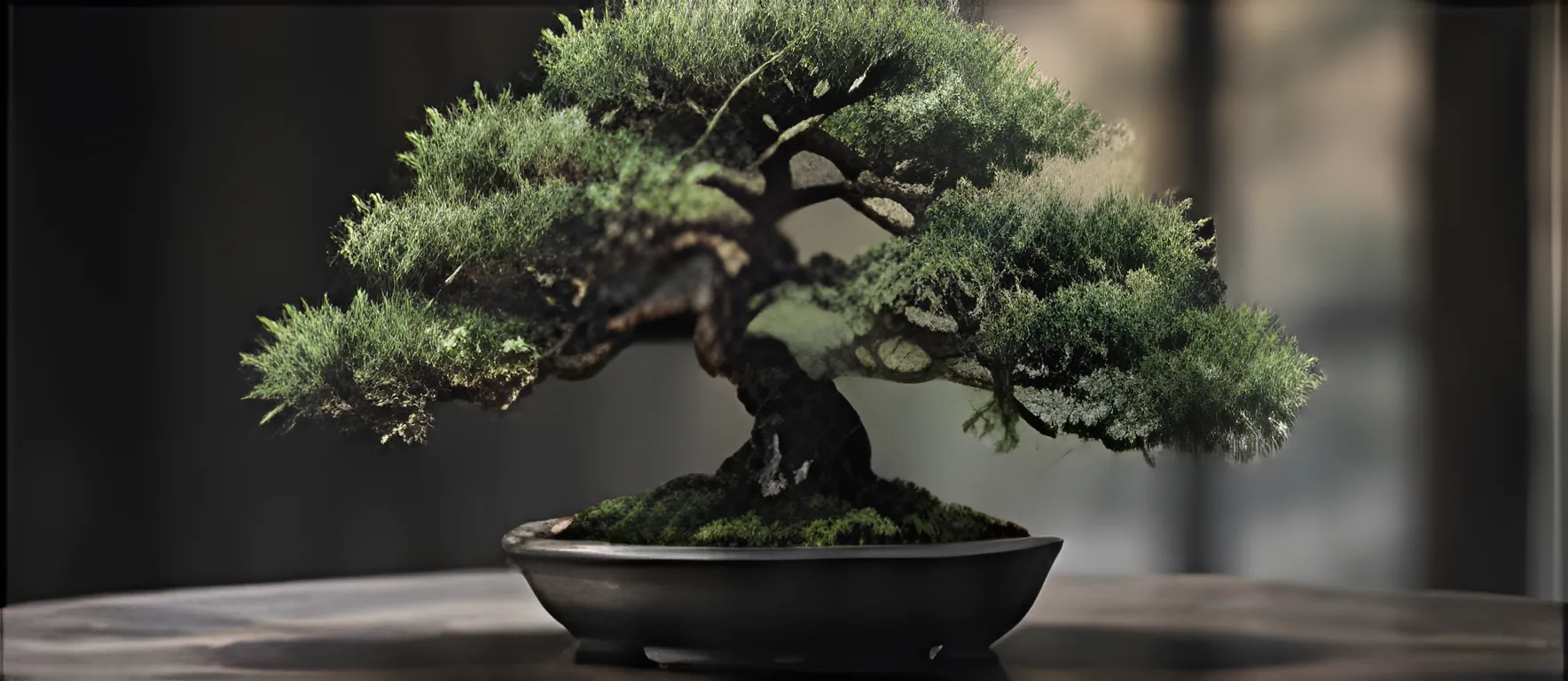
In practice, no: a bonsai you buy at a shop or market in Japan can’t legally go home in your suitcase to the United States or the United Kingdom. Both countries ban plants in soil from passenger baggage, and bonsai older than a couple of years can only enter when the tree has spent years in a government-registered nursery under inspection before export. A tree picked up on a trip has no such history, so no paperwork at the airport can fix it.
Bonsai from Japan do reach American and British collectors, but through commercial importers who plan the shipment years ahead. Below is what the official rules require, why they rule out a souvenir tree, and what you can bring home instead.
Why can’t I just carry a bonsai on the plane?
Three requirements stack up against a tree bought on vacation:
- No soil. A bonsai lives in its pot and soil. The US and UK both treat soil as a pathway for pests and diseases, so the tree would have to be pulled out of its pot and stripped bare, which is a serious shock for an older tree.
- A phytosanitary certificate. Any plant meant for growing needs a certificate from Japan’s national plant protection organization, issued after an inspection.
- A registered growing history. This is the step a traveler can’t meet. Older bonsai are only accepted if they were grown for a set period in a registered nursery that Japan’s Plant Protection Station has inspected to the importing country’s standards.
On top of that, many of the most popular bonsai trees belong to plant groups that the US, UK and EU restrict or prohibit outright.
United States: what the USDA requires
The USDA’s Animal and Plant Health Inspection Service (APHIS) sets the rules, and US Customs and Border Protection (CBP) enforces them at the airport.
The traveler rule: 12 bare-root plants or fewer
APHIS lets travelers hand-carry 12 or fewer bare-rooted plants, with no soil, sand or other growing media, if every one of them:
- has a phytosanitary certificate from the exporting country,
- is not prohibited, protected (Endangered Species Act or CITES), or subject to special restrictions such as post-entry quarantine, and
- passes a CBP inspection at your first US port of entry.
Thirteen or more plants need an APHIS import permit and must be shipped to a USDA plant inspection station; they can’t be hand-carried. APHIS also states that seeds of trees and shrubs are prohibited in passenger baggage, so “I’ll bring seeds instead” doesn’t work either.
The bonsai rule: two years in a registered greenhouse
APHIS treats bonsai as “artificially dwarfed plants.” Plants over two years old can be imported only if:
- they were grown for at least two years in a registered greenhouse or screenhouse,
- they were grown in sterile media on benches at least 50 cm (about 20 inches) above the ground, and
- all growing media, including soil, is removed before shipment.
Japan’s Plant Protection Station spells out what this means on the Japanese side: the US importer must hold an import permit, the growing site is inspected once every 12 months, and the screenhouse mesh and doors must meet set specifications. Its guidance also lists many genera as prohibited for bonsai export to the US, including maples (Acer), cherries and other Prunus, and camellias (Camellia), with pines (Pinus) also among the restricted groups.
A tree sold at a garden shop, a temple market or a bonsai nursery outside this program can’t satisfy those conditions after the fact.
Declare everything
If you are carrying any plant material, declare it to CBP. Undeclared prohibited items are confiscated and destroyed, and CBP can issue civil penalties even for non-commercial amounts. Declaring an item that turns out to be prohibited simply means it’s taken away.
United Kingdom: commercial imports only
The UK government’s bonsai guidance covers commercial import routes, not travelers’ luggage. Bonsai from Japan are allowed for only four groups:
- Chamaecyparis (false cypress)
- Juniperus (juniper)
- Pinus parviflora (Japanese white pine), including when grafted onto another Japanese pine
- Pinus thunbergii (Japanese black pine), including when grafted onto another Japanese pine
Even for these, the trees and their growing media must come from a nursery registered with Japan’s plant protection organization, carry a phytosanitary certificate, be pre-notified to the UK Plant Health and Seeds Inspectorate, and go straight to a quarantine facility approved in advance. Junipers may only be imported between November 1 and March 31 and must then stay in quarantine from April 1 to June 30; pines and false cypress need at least three months of quarantine during active growth.
For other bonsai bound for the UK and EU, Japan’s Plant Protection Station lists further conditions: at least two years in a registered field with six site inspections a year, benches at least 50 cm high, no flowers or fruit at export, and deciduous trees shipped bare of leaves while dormant. Its list of genera prohibited for general bonsai includes cherries and other Prunus, pines (Pinus), false cypress (Chamaecyparis), junipers (Juniperus), grapes (Vitis) and apples (Malus); the four special groups above are the only exceptions.
If you live in the EU, the Japanese guidance groups the EU with the UK, but check your own country’s plant health authority, as details differ.
What about the Japanese side?
Japan also requires an inspection when plants leave the country. You apply to the Plant Protection Station, which inspects the plants and issues a phytosanitary certificate in English. Export inspection counters operate at major airports, including Narita, Haneda, Kansai, Chubu (Nagoya), New Chitose (Sapporo) and Fukuoka.
But Japanese inspectors check plants against your destination’s rules. If those rules require a registered growing history the tree doesn’t have, the certificate can’t be issued. The Plant Protection Station advises confirming the latest import conditions with the destination country’s plant quarantine authority, or its embassy in Japan, before you buy.
So how do people get Japanese bonsai abroad?
- Buy a legally imported tree at home. Japanese trees reach the US and UK through the registered-nursery and quarantine route described above. When buying an “imported” bonsai, it’s reasonable to ask the seller how it entered the country.
- Bring home tools and pots instead. Japanese bonsai shears, wire and empty ceramic pots aren’t plants, so the plant rules above don’t apply to them. Make sure pots are clean and free of soil, and check your airline’s rules on carrying blades. Our guide to essential bonsai tools for beginners explains which tools are worth buying first.
- See the masterpieces in Japan. Some of the best trees in the world never leave the country. The Omiya Bonsai Village and Omiya Bonsai Art Museum near Tokyo is the easiest place to see them on a trip.
Quick answers
Can I bring a bonsai from Japan to the US in my carry-on? Not a typical bonsai. Plants in soil are prohibited, and bonsai over two years old must come from a registered greenhouse program, which shop-bought trees aren’t part of.
Can I mail a bonsai home from Japan? Mailing doesn’t change the rules. The same certificate, growing-history and soil requirements apply, and CBP notes that the same penalties apply to prohibited items sent by international mail.
Can I bring a bonsai from Japan to the UK? Only through a commercial import of approved species from a registered Japanese nursery into an approved UK quarantine facility. The UK guidance does not provide a route for travelers’ luggage.
Where can I check the latest rules? In the US, APHIS’s import requirements database and plant import information line. In the UK, the GOV.UK bonsai import guidance. Rules change, so check close to your trip.
Sources
- USDA APHIS — International Traveler: Plants, Plant Parts, Cut Flowers, and Seeds
- USDA APHIS — Plants with Special Requirements and Prohibited Plants
- U.S. Customs and Border Protection — Bringing Agricultural Products Into the United States
- GOV.UK — Import bonsai from Japan and Korea to Great Britain
- Ministry of Agriculture, Forestry and Fisheries, Plant Protection Station — Export inspection (English)
- Yokohama Plant Protection Station — Export plant quarantine for bonsai and nursery trees (Japanese, PDF)